Blog
Publish: 17 Sep 26Reading Time: 4 Min
CBAM cost has two components: how many certificates must be surrendered, and what each one costs. The first depends on the producing installation's emissions performance and can be influenced. The second is indexed to the EU ETS and is outside both parties' control. This article covers the second component and the cash-flow rules that come with it.
The price of a CBAM certificate is indexed to the auction price of EU ETS allowances. This follows directly from the mechanism's core claim: imported goods should bear the carbon cost they would have borne had they been produced inside the EU, so the certificate price cannot be set independently of the ETS price.
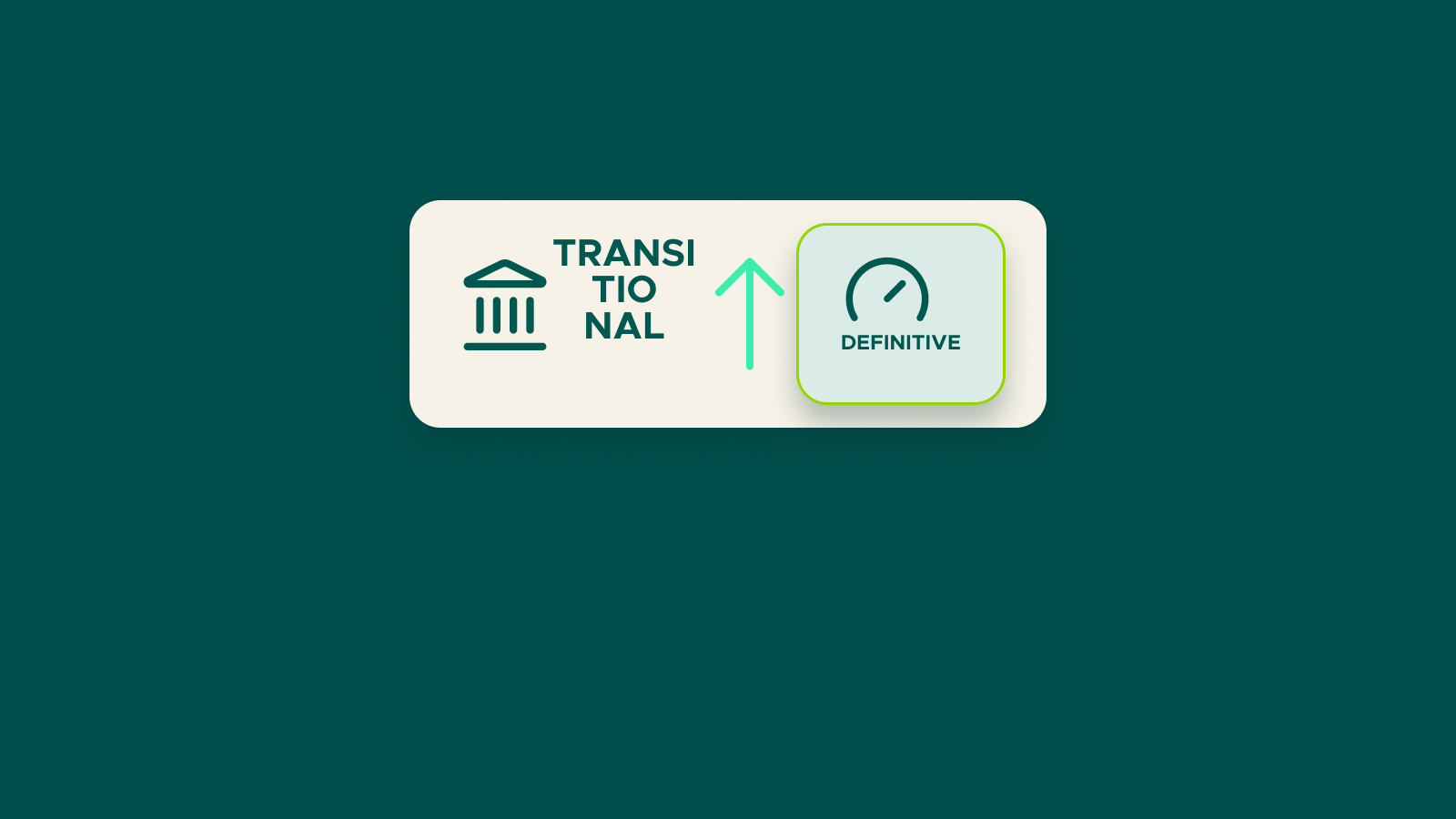
There is a transitional rule in the indexing method:
The practical consequence is greater exposure to price movement. A quarterly average smooths short-term spikes and keeps cost predictable. Under a weekly average, the timing of an import and its cost become tightly linked, and importers begin managing shipment schedules against the carbon price — which can translate into requests for delivery-date flexibility from suppliers.
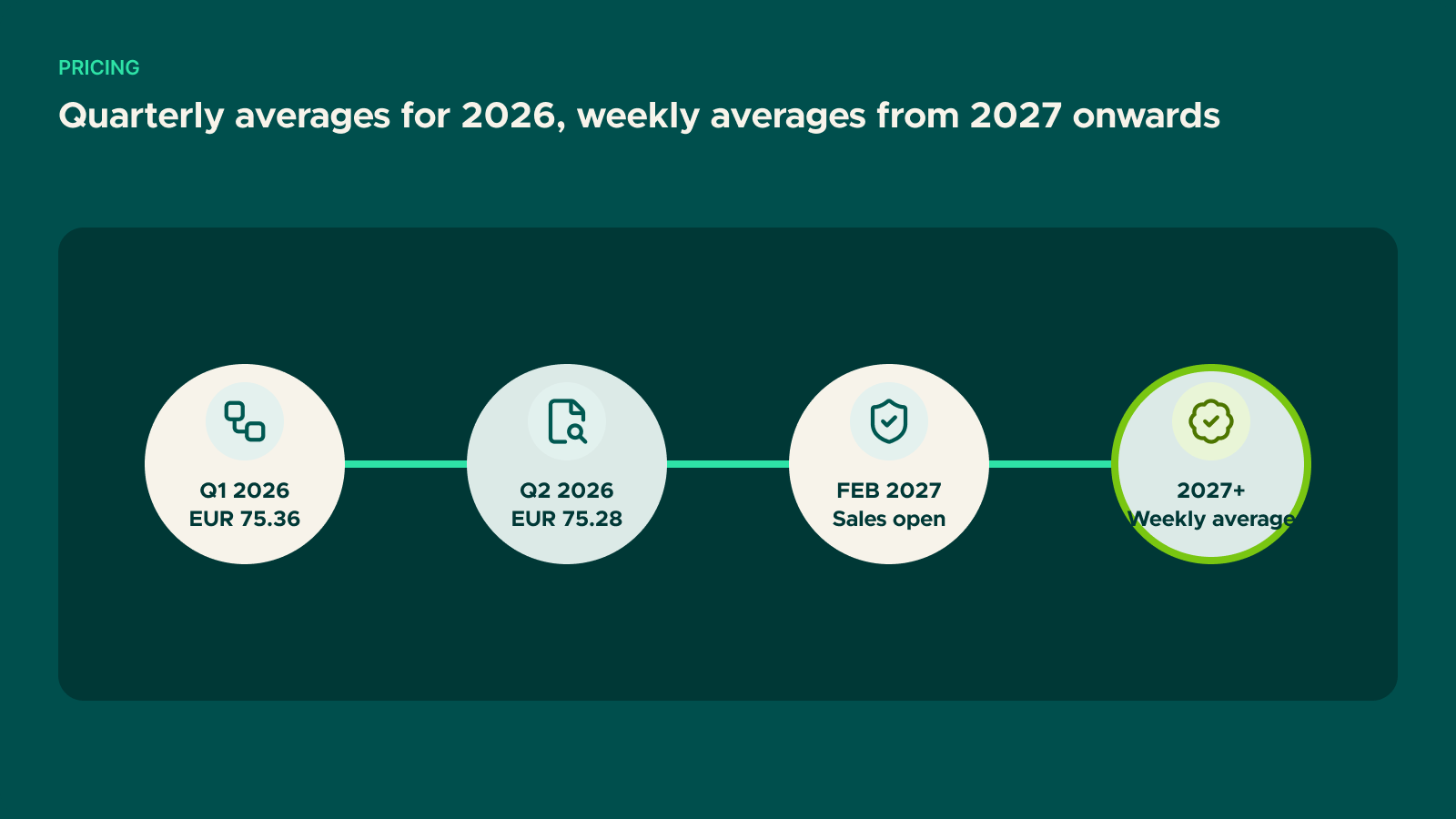
The Commission published the first CBAM certificate price on 7 April 2026. Publication falls at the start of each quarter.
| Period | Price | Published |
|---|---|---|
| Q1 2026 | €75.36/tCO2 | 7 April 2026 |
| Q2 2026 | €75.28/tCO2 | 6 July 2026 |
| Q3 2026 | — | 5 October 2026 (expected) |
| Q4 2026 | — | 4 January 2027 (expected) |
The closeness of the first two quarters should not be read as stability. The EU ETS price faces upward pressure over the medium term from the phase-out of free allocation, the introduction of ETS2 and supply-side mechanisms. Cost scenarios should therefore be built on a range rather than a single price assumption.
An illustration: embedded emissions of 1.90 tCO2/t, benchmark 1.50, 2026 free allocation factor 97.5%, certificate price €75.30, no third-country carbon price.
The same product in 2030, when the free allocation factor falls to 51.5%: 1.90 − (1.50 × 0.515) = 1.1275 tCO2/t, or roughly €84.9 per tonne at a constant price. Emissions performance unchanged, cost 2.6 times higher. We set out the full projection in CBAM cost modelling 2026-2034.
Certificates are bought through a central platform from member state national competent authorities. Sales begin on 1 February 2027; there is no obligation to buy or hold certificates during 2026.
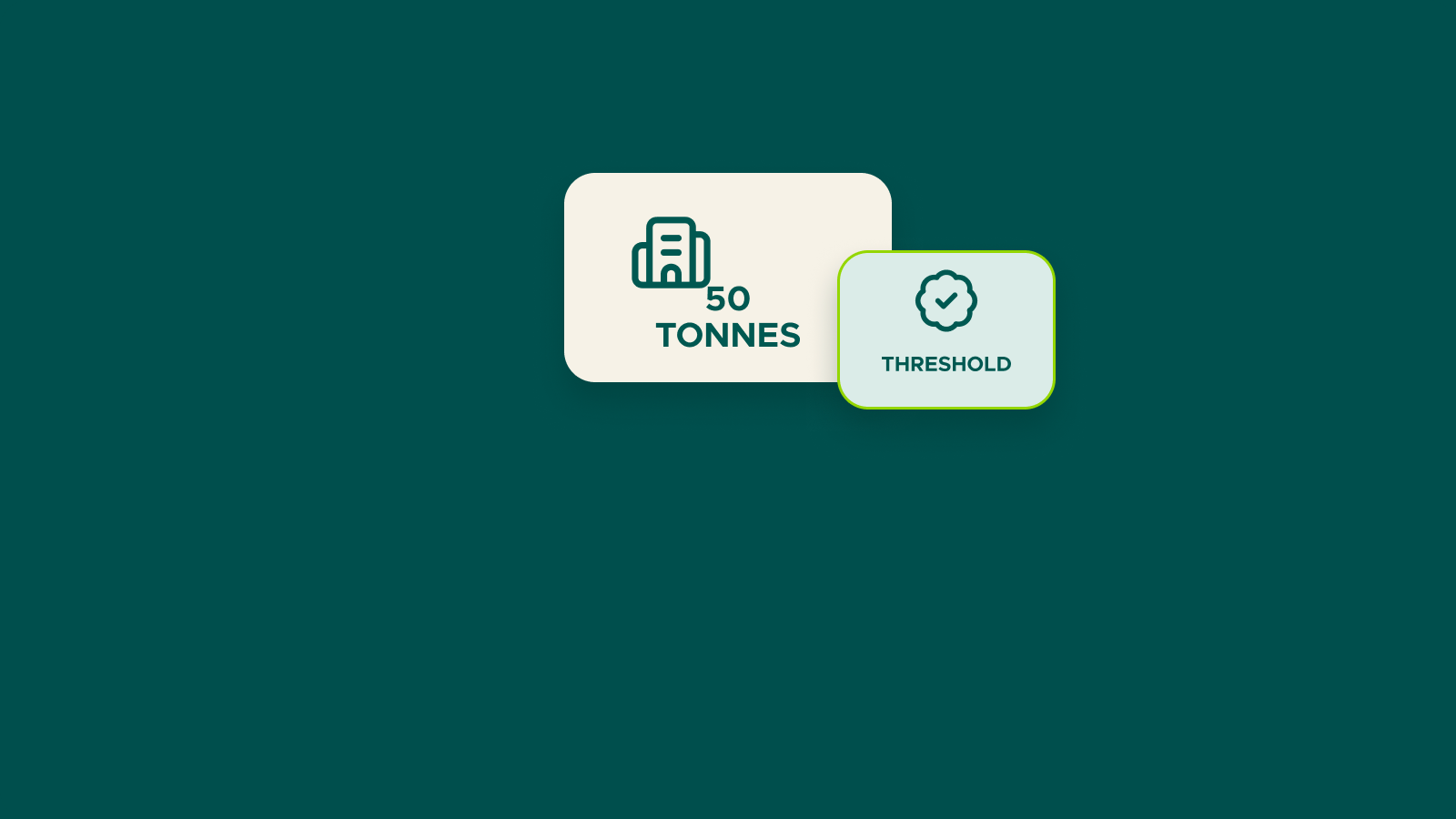
From 2027 a rule takes effect that bears directly on working capital: at the end of each quarter, declarants must hold at least 50% of the certificates corresponding to the emissions embedded in goods imported since the start of the year. Cost is therefore incurred through the year rather than in a single settlement.
This reaches suppliers in two ways. The importer's funding requirement rises, which enters payment-term and price discussions. And to calculate a quarterly position, the importer needs an emissions figure during the year — so data requests should be expected periodically rather than only at year end.
Certificates are not traded on a secondary market. They are purchased from the competent authority and can be repurchased to a limited extent; speculative holding is not part of the design.
Suppliers cannot influence the certificate price. The only variable they can influence is the certificate count, which means price risk management runs through emissions intensity and through using verified actual data rather than defaults.
A second lever is the deduction of a carbon price paid in the country of production, covered in carbon price paid in a third country.
The average for the quarter in which the goods were imported; a single annual price is not used.
Limited repurchase is provided for. Certificates are not tradeable between market participants.
In euro, per tonne of CO2 equivalent.
Legally the importer. How it is reflected in price is a commercial matter, and suppliers with lower emissions intensity are better placed in that negotiation.
We work on calculating product-level CBAM cost and building scenario analyses, under our CBAM accounting and reporting service. You can contact us with your questions.
Get in touch
If something you've read here connects to a live project, a reporting deadline, or a decision you're weighing — we're happy to have a useful conversation.
Contact us
Regulation & Compliance
Regulation & Compliance
Regulation & Compliance
Lets talk about your sustainability goals.


